A dealership showroom isn't an office that happens to sell cars. It's a sales floor under bright light, photographed by customers all day, held to a manufacturer's brand standard, and judged the moment someone walks in. Generic janitorial contracts treat it like any other lobby — and it shows.
Here are six details that separate showroom cleaning done right from a checklist crew, drawn from how dealership accounts actually run on the Wasatch Front.
1. Glass cleaned to a brand standard, not "wiped"
Showroom glass is enormous and it's always backlit. Streaks, haze, and missed corners are visible from across the floor and in every customer photo. Brand-standard glass means interior and exterior panes, frames, and sills detailed on a defined cadence — not a quick spray when someone notices.
2. Open-ready by the time the doors unlock
Nobody wants to clean around customers on a sales floor, and no GM wants a vacuum running during a delivery. The standard on dealership accounts is open-ready before opening — typically done early morning or after close so the floor is photo-ready by 9 a.m. A vendor that can't commit to that timing is the wrong vendor.
3. Showroom floors that match the inventory
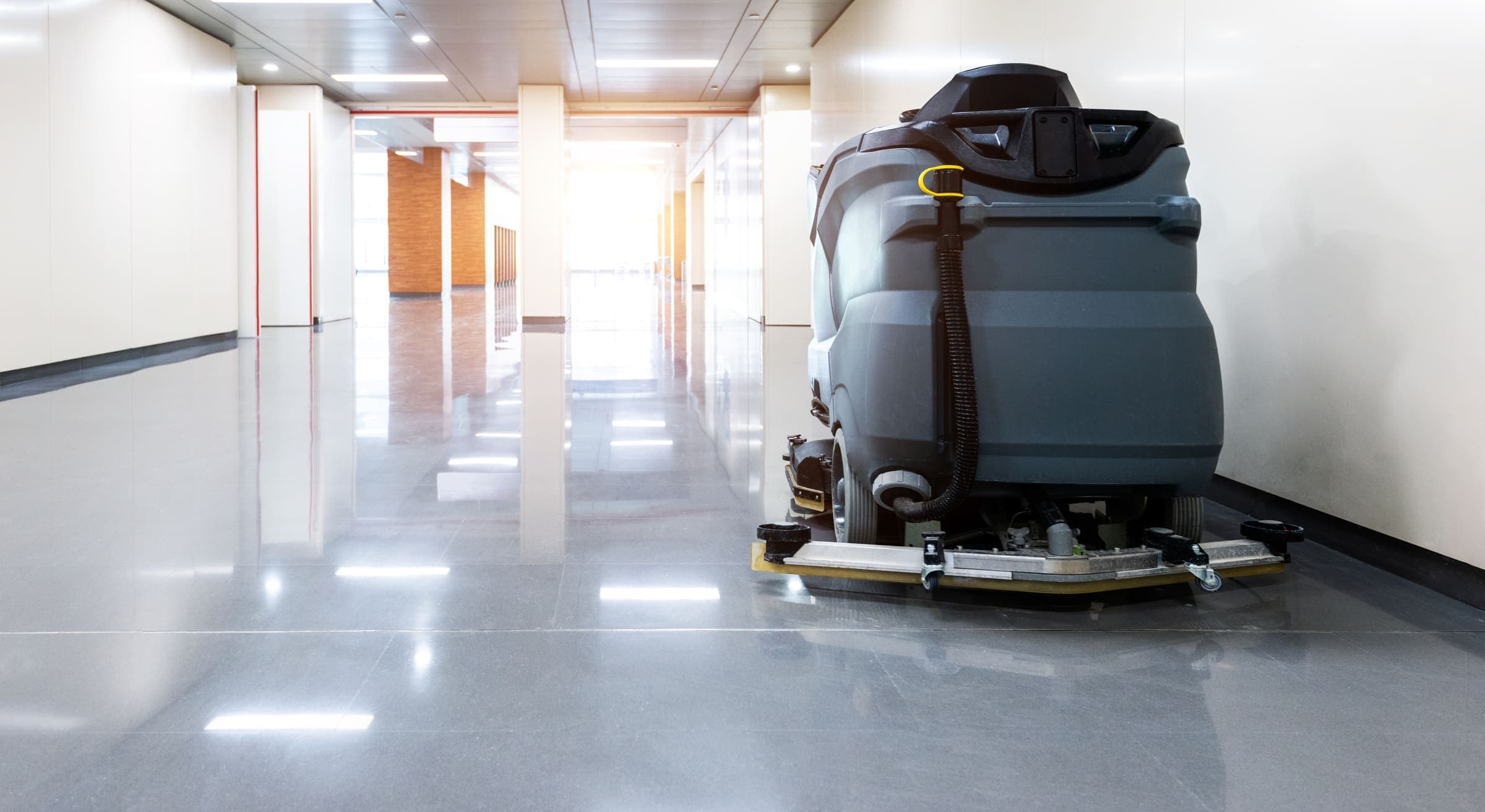
Polished concrete and large-format tile under showroom lighting reveal every smudge, tire mark, and water spot. Showroom floors need a maintenance plan — routine cleaning plus periodic burnishing or polishing — that keeps the finish matching the cars on it, not just a nightly mop.
4. The service drive doesn't get forgotten
The showroom gets attention; the service drive and customer waiting area often don't, even though that's where existing customers spend the most time. Grease, road grime, coffee spills, and high foot traffic make it one of the hardest areas in the building — and a fixed-ops director notices when it's skipped.
5. Customer restrooms held through the day
A spotless showroom and a neglected customer restroom send a contradictory message. High-traffic dealership restrooms often need more than a nightly clean — a mid-day touch-up or day-porter pass keeps them presentable through peak hours instead of degrading by afternoon.
6. After-hours access handled like a professional
Most dealership cleaning happens after close, around six- and seven-figure inventory. That demands a vendor who handles keys, alarm codes, and after-hours access seriously, runs a consistent crew rather than a rotating cast of strangers, and respects the brand-compliance rules manufacturers attach to the showroom environment.
None of this is exotic — it's just dealership-specific. The difference is whether your vendor scopes the building as a sales floor with a service operation attached, or as a generic commercial space. One reads the room; the other reads a checklist.